From medieval dice games to strictly regulated online casinos – the house has always had the edge, and that’s the UK’s gambling history.
Stick around for a quick timeline from backroom bets, through Victorian bookies, and all the way to modern apps – so you can see how we actually got here (spoiler: some things still haven’t changed).
First Things First – Quick Timeline Snapshot
UK Gambling Timeline at a Glance
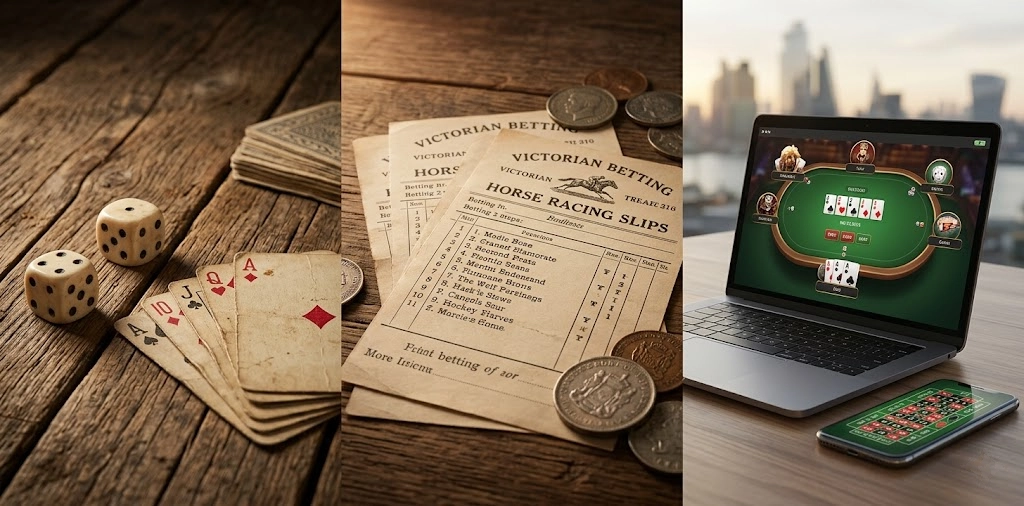
A quick visual run from medieval dice games to the modern UKGC-regulated online casino market.
- Medieval: Dice and casual wagers among nobility and commoners;
- 1569: First State Lottery;
- 17-18th Century: Horse racing gains popularity, as well as lotteries;
- 1800s – Early 1900s: Early gaming and street betting regulations;
- 1960s: Licensed bingo halls, betting shops, and even legalised casinos;
- 1994: National Lottery launch;
- Late ’90s – Early ’00s: Online gambling takes off;
- 2020: Stricter player protection and mobile gambling growth.
Now, we’ll see what actually happened. I’m not going to bore you with unnecessary details, so take a cup of whatever you like and enjoy this brief story.
How Brits Bet Back in the Day?
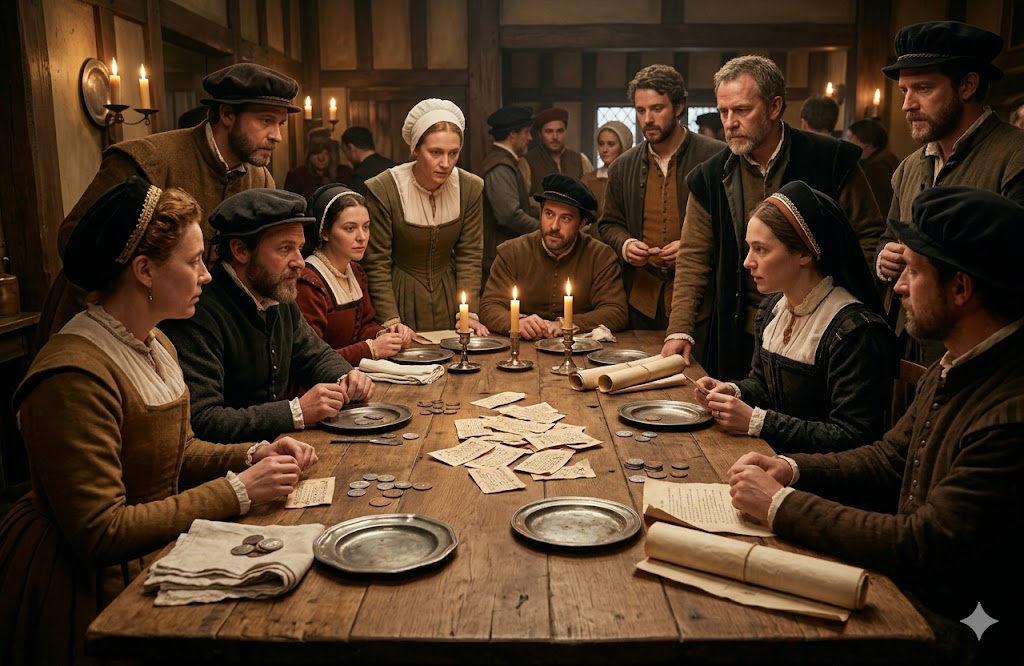
Hard to imagine it, but gambling was everywhere in Medieval times. What I’m talking about is tavern dice games and informal wagers at fairs and inns. The most interesting part is that it cut across classes. Even kings might take a punt or two.
It was nothing like today’s gambling but rather folks testing their luck and socialising – but also risking real bets with real consequences.
What games did they play back then?
- Dice games (the rough ancestor of modern craps, so to speak);
- Raffle (rolling multiple dice and hoping for the highest combo):
- Card games (they still lacked the rules we know today).
Good to know: People didn’t only bet coins, but also clothing, betting, and even horses. You could also see estates at stake in reckless circles.
What did the authorities think of it?
Well, they did try to squash it at times – even banned dice and other games of chance. But as usual, people always found ways to gamble.
Next: UK’s Very First State Lottery
Did you know that England’s first state-run lottery was launched all the way back in the 1500s? That’s if you thought the National Lottery from 1994 was the start – nah.
The story goes like this:
- When: First draw in 1569.
- Who: Queen Elizabeth I.
- Why: The monarch needed to fund public works without raising taxes (why not, right?).
- How: Participants got tickets for a hefty 10 shillings (about weeks’ worth of wages for many). And prizes weren’t always cash – also silver plates or fine linen.
FYI: Every ticket holder actually got something. You weren’t playing for nothing, even if you hadn’t won. Some say things like “temporary immunity from minor arrest” were also possible, but it seems more like a legend to me.
So, it’s fair to say gambling (lotteries, to be precise) began as a public finance tool. Makes you think twice when you now see a grinning celeb on a flashy Lotto advert.
When Horse Racing Became Britain’s Obsession
Somewhere in the 17th – 18th centuries, gambling went huge through horse racing (and state-backed lotteries). Well, horse racing was driven by sport and status. Still, widely accessible, and I dare say, not exactly fair sometimes.
- Horse racing was heavily backed by royalty (little do you know, but King Charles II basically made it fashionable).
- Casual wagers shifted to organised odds and stakes.
- Early bookmakers made their debut (mostly gang-controlled).
- Betting started being normalised across social classes.
At some level, horse racing laid the groundwork for modern sports betting.
How Gambling Became Regulated in the UK?
In the 1800s to early 1900s, street betting got out of hand. That’s when the Street Betting Act from 1906 marked a new period in the history of UK gambling.
As soon as betting spilled out of private clubs to streets and pubs (illegal bookies, “gaming houses” with no oversight, and so on), the government had to act.
The Street Batting Act basically said:
- No more cash betting in street corners;
- No more bookies that operate illegally in public spaces;
- All betting operations had to be licensed.
Spoiler alert: This didn’t stop gambling by one bit. If anything, it pushed it even more underground. Classy.
1960s Gambling Boom: Bingo Halls, Betting Shops & Legalised Casinos
In the swinging decade, gambling finally got proper legalised, with bingo halls becoming social hotspots. Even the first legal casinos opened.
Everything kicked off with the Betting and Gaming Act from 1960:
- Legalised betting shops only – no more shady runners in alleyways.
- Bingo halls were allowed to operate commercially (members only, plus strict rules).
- Casinos were allowed to run their business, but under licence this time.
And just like that, gambling finally moved from the streets into regulated spaces.
The Year the UK Got a National Lottery
In 1994, the UK National Lottery was launched, with the very first draw in the same year. Massive moment in UK’s gambling history.
Millennials and anyone before know that this wasn’t just another gambling product. It was a national moment that turned gambling into one shared event. Millions were tuning in to watch the draw.
FYI: The price was just £1 for a shot at matching 6 numbers out of 49. And if you think it was only about jackpots – nah. Actually, a huge amount of the ticket money went back to communities (sports, arts, heritage, and so on).
Late ’90s: When Gambling Went Online
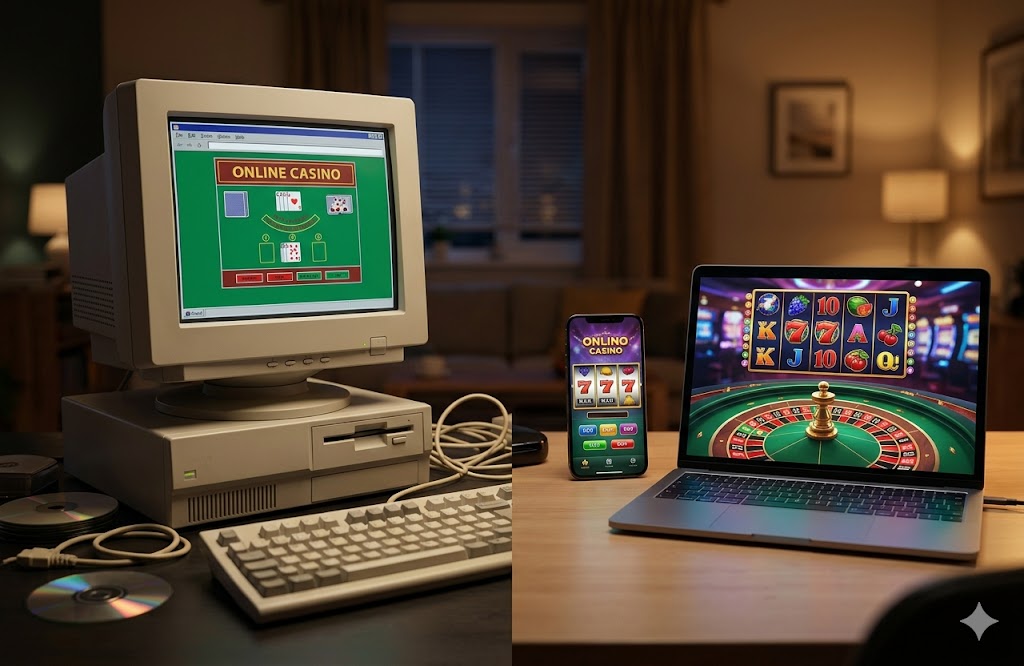
Actually, it was late ’90s to early ’00s, when gambling switched to browsers, and it changed everything. Instantly, you could gamble from your flat whenever you wanted.
Anyone remember early sites like InterCasino? For one, I can still remember the early online poker rooms like PokerStars. That’s when I fell for multi-table play.
This is also the time when biggies like Microgaming started building the very first gambling platforms. What started as a handful of gambling sites turned into thousands within a couple of years.
BUT: Many platforms were unregulated back then, so you were basically on your own. Plus, once people realised they could gamble anytime, habits changed (for better or for worse).
Good to know: The Gambling Act from 2005 was passed to modernise gambling laws, while the UKGC (UK Gambling Commission) launched in 2007, expanded that power through ensuring fair play and crime prevention (not the National Lottery, though – it has its own regulator).
And sure, no online casino is allowed to operate in the UK without a UKGC licence – that’s like basic knowledge.
Best UK Online Casinos Today
The modern UK market is packed with licensed online casinos, which is why choosing a regulated site matters more than ever. Below, you can compare 20 UK online casinos in one place.


Get 200 free spins when you stake £10
TermsNew customers only. Opt In required. £/€10 min stake on Casino slots within 30 days of registration. Max bonus 200 Free Spins on selected games credited within 48 hours. Free Spins expire after 7 days. iOS app restrictions may apply. Email/SMS validation may apply. Not available in NI. Full T&Cs apply.- UK licence checked
- Fast withdrawals
- Withdrawal-friendly cashier

100% up to £25 + 50 Free Spins
TermsAutomatically credited upon 1st Deposit (min £10). Max Bonus £25. Game: Big Bass Bonanza, Spin Value: £0.1. WR 10x Bonus (only Slots count) in 30 days. WR 10x free spin winnings (only Slots count) in 30 days. Max bet is 10% (min £0.10) of the free spin winnings and bonus or £5 (lowest applies). Bonus Policy applies.- UK licence checked
- Trusted payments
- Free spins included

Deposit and wager £10 for 50 cash spins (at 20p)
TermsNew players only | Deposit & wager at least £10 to get free spins | Free Spins winnings are cash | No max cash out | Eligibility is restricted for suspected abuse | Skrill deposits excluded | Free Spins value £0.20 per spin | Free Spins expire in 48 hours |- UK licence checked
- Apple Pay ready
- Free spins included

50 Wager free Spins when you stake £50
Terms18+. New players only. Opt-in required. Min deposit £20. Offer is 50 wager free spins on Big Bass Splash when wagering min. £50 on slots by 23:59 GMT on the same day as your first deposit. The wager-free spins must be used within 72hrs. Winnings from free spins credited as cash funds and capped at £50. Cash funds are immediately withdrawable. Affordability checks apply.. Terms Apply. BeGambleAware.org- UK licence checked
- Cash funds
- Withdrawal-friendly cashier

Deposit and wager £10 for 100 cash spins (at 10p)
TermsNew players only | Deposit & wager at least £10 to get free spins | Free Spins winnings are cash | No max cash out | Eligibility is restricted for suspected abuse | Skrill deposits excluded | Free Spins value £0.10 per spin | Free Spins expire in 48 hours |- UK licence checked
- Cash spins
- Free spins included
Modern Gambling Scene: 2020 – Present
It was 2020 that the UK gambling market saw stricter player protection and tighter licence conditions. Plus, a big shift to mobile gambling (as lockdown pushed players online even more). Up to the point that the UK has one of the strictest gambling scenes in the industry.
Speaking of mobile, according to Gambling Commission’s annual report 2020 – 2021, about 50% of online gamblers reported placing bets on mobile (up from far lower numbers in the previous years). And operators? Oh, they learned fast how to put a casino in your pocket.
Now, this is where 2020 got things both interesting and messy:
- GamStop self-exclusion became compulsory for all UK licensed casino operators.
- Since then, operators have had to do more about safer product design, clear T&Cs, as well as affordability checks.
- Credit card bans and tight age verification were also rolled out around that time.
Plus, we all know that if you’re from the UK, you can’t use such offers as Bonus Buys in online casino games.
Are Land-Based Casinos Still a Thing?
Thought you’d wonder about this. And yes, land-based casinos are still very much a thing in the UK. But they turned into experiences, rather than just placing bets or playing games of chance. There’s hotels, bars, restaurants, and whole performances built around gambling.
Even so, Gambling Commission’s industry stats for 2025 show that land-based casinos make up a teeny-tiny slice of the entire UK gambling revenue.
Wrap Up: What to Expect from Gambling in the Future?
Smarter tech, tighter rules, and a more customised experience. We’ll surely see a bigger push against illegal operators and responsible gambling tools under every login.
To be precise:
- More affordability and risk checks;
- Bans on mixed bonuses (no more ‘bet on this football game and unlock free spins’);
- Personalised experiences through AI-driven updates (tailored games, personal promos, and so on);
- Digital payment growth with crypto adoption and faster cashouts;
- VR/AR table game taking centre stage;
- Betting on e-sports and virtual sports – more popular than ever;
- Stronger advertising rules.
Flip side: Some players may drift towards “less regulated” options – as it was in the past when they tried to ban street betting. After all, it’s always up to you – go illegal and risk everything (the UKGC won’t be there to help you out) or stick with licensed sites where you can actually get hold of your wins and don’t risk exposing your personal info.
As you can see, gambling in the UK started way earlier than we thought and has taken on different forms along the way. One thing didn’t change – illegal operators and bookmakers are still a thing.
Now, if you’re serious about it all – whether you play slots or like to place bets while watching football – why pick unregulated sites when the legal gambling market is literally packed with options? Besides, you do wanna get hold of your winnings in the end, don’t you?
That’s pretty much it – the history of gambling in the UK ‘in a nutshell’, while modern gambling history is currently writing itself.

- Gambling in the UK Through the Ages – A Historical Overview - August 24, 2026
- Bonus Terms in UK Online Casinos - August 24, 2026
- UKGC vs Offshore Casinos – What’s the Difference? - August 24, 2026